
We offer daily assistance for technical and scientific matters.
Antiphospholipid Syndrome
Unique Accuracy in APS Diagnostics.
Antiphospholipid syndrome (APS) is a systemic autoimmune disease characterized by recurrent thrombosis, pregnancy morbidity, and a variety of other non-thrombotic manifestations. Patients are characterized by persistent antibodies against phospholipids and/or phospholipid-binding plasma proteins, which are responsible for the hypercoagulability of the blood.
The classical APS criteria are based on the presence of lupus anticoagulant (LA), anticardiolipin (aCL), and anti-β2 glycoprotein I (anti-β2GPI) antibodies combined with clinical events such as thrombosis or pregnancy complications. Non-criteria APS antibodies, including anti-phosphatidylserine/prothrombin (aPS/PT) and anti-annexin V, are increasingly recognized for identifying patients with APS manifestations not captured by the traditional criteria.
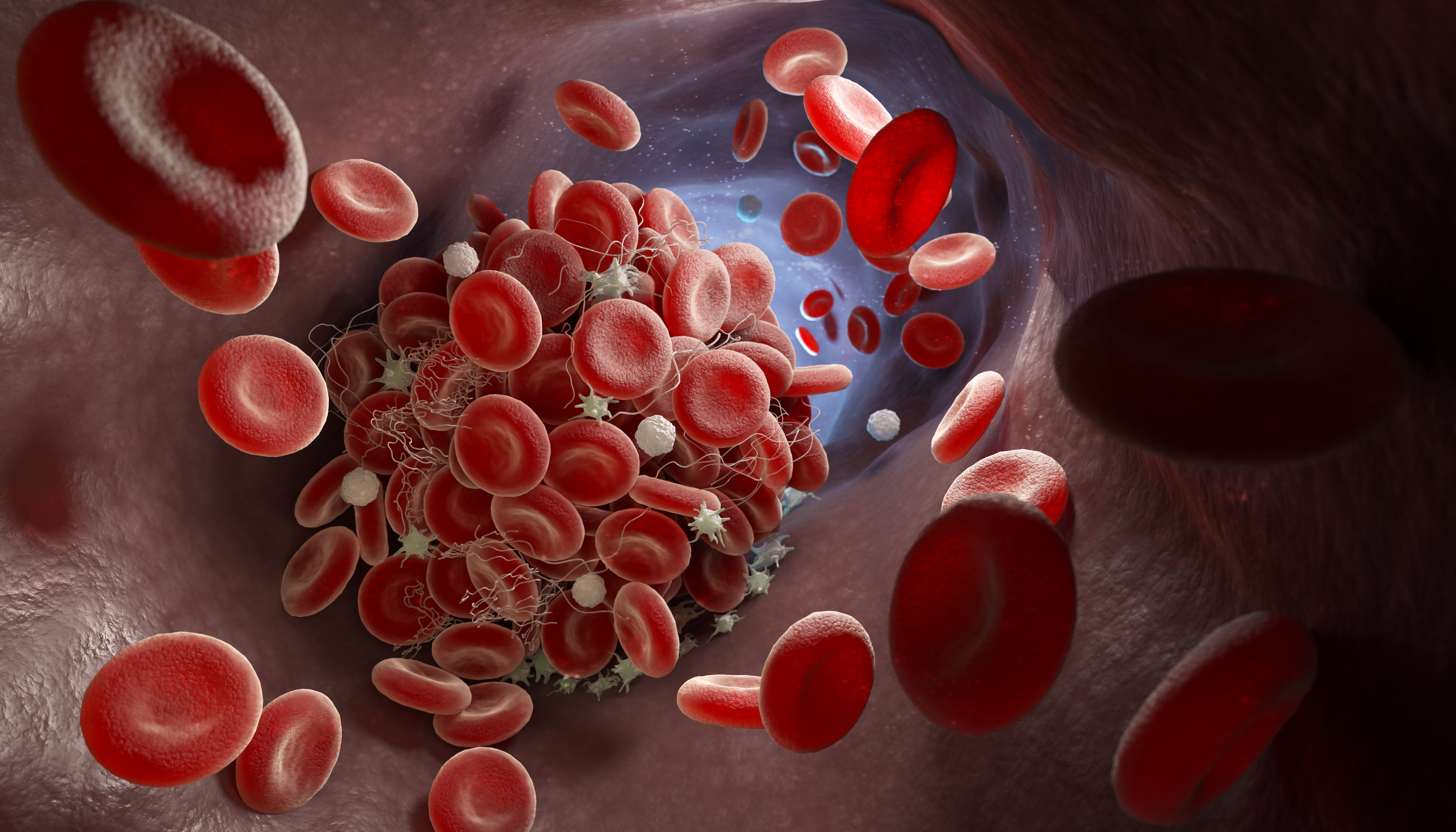
What is Anti-Phospholipid Syndrome?
Antiphospholipid syndrome (APS) is a systemic autoimmune disorder occurring worldwide, with an estimated prevalence of 40–60 per 100,000 individuals. Women are affected more frequently than men.
Whereas primary antiphospholipid syndrome (PAPS) occurs independently from other diseases, the more common secondary antiphospholipid syndrome (SAPS) is frequently related to other autoimmune diseases such as Systemic Lupus Erythematosus (SLE) or Rheumatoid Arthritis (RA). APS is characterized by the presence of antiphospholipid antibodies, which increase the risk of thrombosis and pregnancy complications.
In addition to classical criteria, non-criteria APS manifestations—including thrombocytopenia, heart valve disease, and neurological symptoms—are increasingly recognized. Non-criteria APS can also be associated with antibodies such as anti-phosphatidylserine, anti-prothrombin, anti-annexin V, and other emerging markers that help identify patients at risk.
Antiphospholipid syndrome can lead to serious consequences, including recurrent blood clots, pregnancy loss, organ damage, and long-term disability if not properly managed.
1 in 2,000
individuals are affected by APS
5:1
is the women-men affected ratio
15%
of recurrent pregnancy losses are related to APS
Knowledge & Science
We aim to educate and share scientific and medical educational information with our customers all around the world.
Understand in 2 minutes how capillary electrophoresis works, and why it gives such high and clear resolution in lab testing.
Instruments for diagnosing Antiphospholipid Syndrome
The compact and affordable automation of Capillary Electrophoresis.
Evolution makes the difference.
A concentrate of Sebia’s expertise in a high throughput instrument.
Capillary Electrophoresis solution to meet your high capacity needs.
The high throughput solution for newborn hemoglobin disorders screening.
Large menu with high quality results on gel electrophoresis.
Efficiency re-dIFined.
Authentically clear!
Small Footprint - Big Impact.
References
a) Barbhaiya et al. (2023) 2023 ACR/EULAR antiphospholipid syndrome classification criteria. Ann. Rheum. Dis. 82, 1258.
b) Volkov et al. (2020) Profiles of criteria and non-criteria anti-phospholipid autoantibodies are associated with clinical phenotypes of the antiphospholipid syndrome. Auto. Immun. Highlights. 11, 8.
c) Devreese et al. (2014) Testing for antiphospholipid antibodies with solid phase assays: guidance from the SSC of the ISTH. J. Thromb. Haemost. 12, 792.
This section contains information intended for wide distribution and may therefore contain product details or information that is not available or valid in your country. Please contact your local Sebia representative. Information intended for healthcare professionals. Carefully read the instructions in the reagent package inserts and instrument manuals.